Dental surgery can feel intimidating, especially for tooth replacement. However, modern digital implants change this experience entirely. This advanced method uses cutting-edge technology to provide a precise, efficient, and comfortable solution. Let’s look at how digital implants make tooth replacement accessible and stress-free.
What’s a dental implant?
A dental implant is a high-grade titanium alloy fixture. The dentist surgically places this screw-like post into the jawbone to replace a missing tooth root. Once the implant fuses securely to the bone, the dentist attaches a replacement tooth, such as a custom crown, to the top.
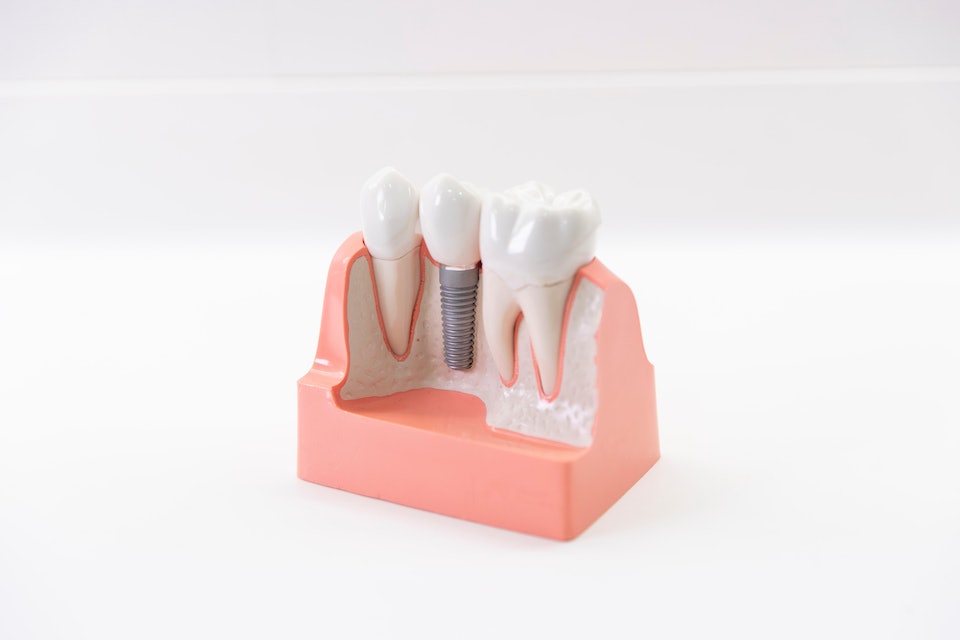
Planning and preparation are critical steps in the dental implant process
The first step is to decide the implant position with careful evaluation of the bone quality and quantity, around the main nerve in the lower jaw and the sinuses in the upper jaw to ensure that there is enough bone and healthy flesh to support the implant.
Secondly, implant selection is also very critical to the treatment. Before starting the procedure, dentists need to calculate the size and length of implants to achieve the most long-lasting and stable results; and the latest digital technology can help dentists to evaluate, calculate and anticipate the effectiveness of implant treatment.
Traditional implant procedures
Traditionally, dentists rely on standard X-rays and visual observations. They depend heavily on their personal clinical experience to place the implant during surgery. Later, making crowns requires traditional impressions. This process involves pressing a messy, uncomfortable putty onto your teeth to create a mold.
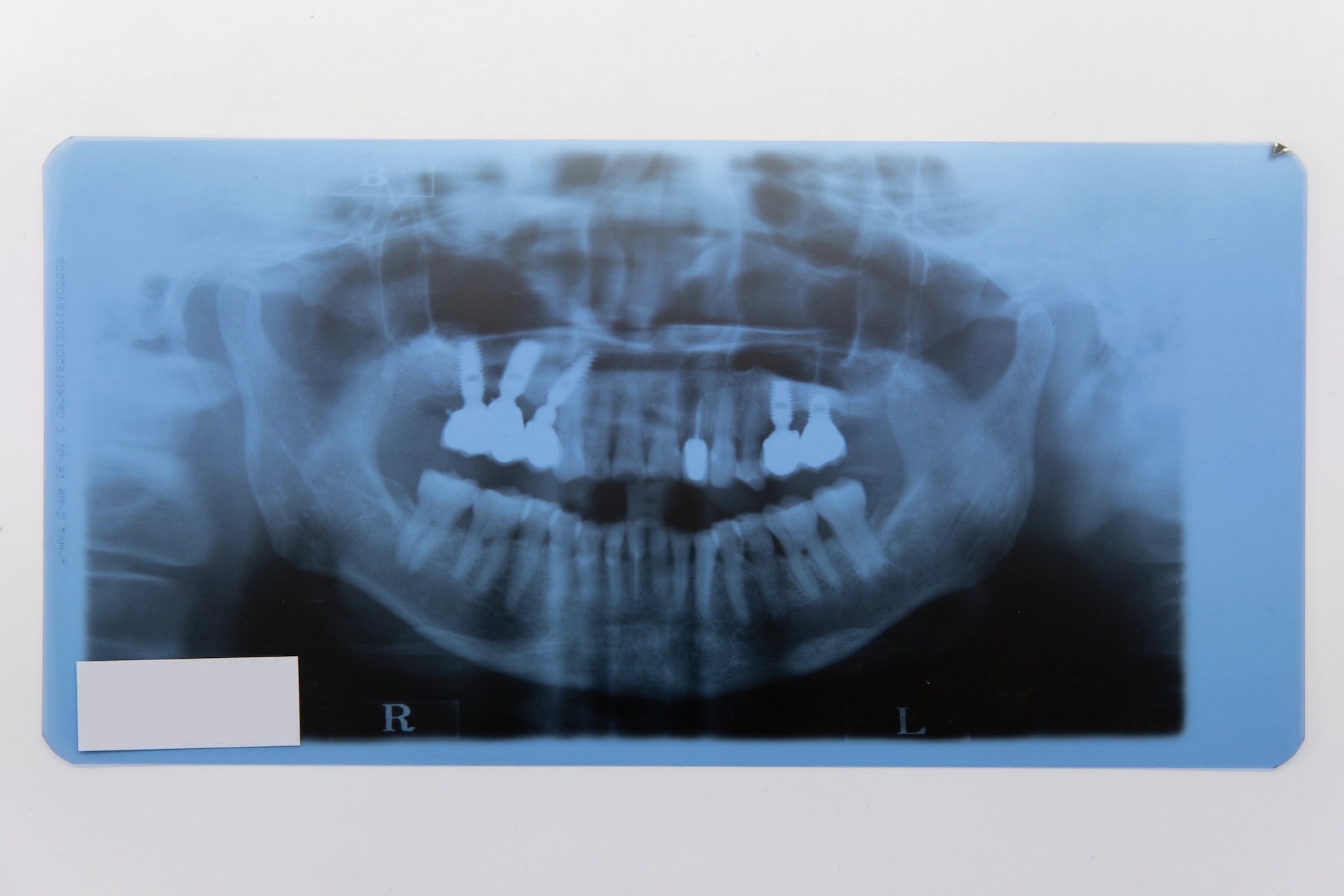
What’s digital implant and how it works?
A digital implant, also known as a computer-assisted implant, is a dental implant that is planned and placed using advanced digital technology. This technology includes specialized software, digital imaging, and computer-guided surgical techniques. The entire process of implant placement can be digitally planned and simulated before the actual surgery, allowing for greater precision and accuracy. This can result in a faster and more comfortable procedure, as well as improved outcomes and patient satisfaction.
- Initial Assessment: The dentist evaluates your teeth and plans the initial steps.
- 3D Imaging: The clinical team takes a 3D CT scan of your jaw.
- Digital Scanning: An intraoral scanner captures a precise 3D digital model of your teeth.
- Software Planning: The dentist inputs this data into specialized software to determine the exact implant size and position.
- 3D Printing: Once you approve the plan, we 3D-print a custom surgical guide.
- Precise Placement: The dentist uses this guide to place the implant with flawless accuracy.
- Digital Restoration: After healing, the dentist scans your mouth again and sends the data to the lab. CAD/CAM technicians then design and manufacture your custom crown.
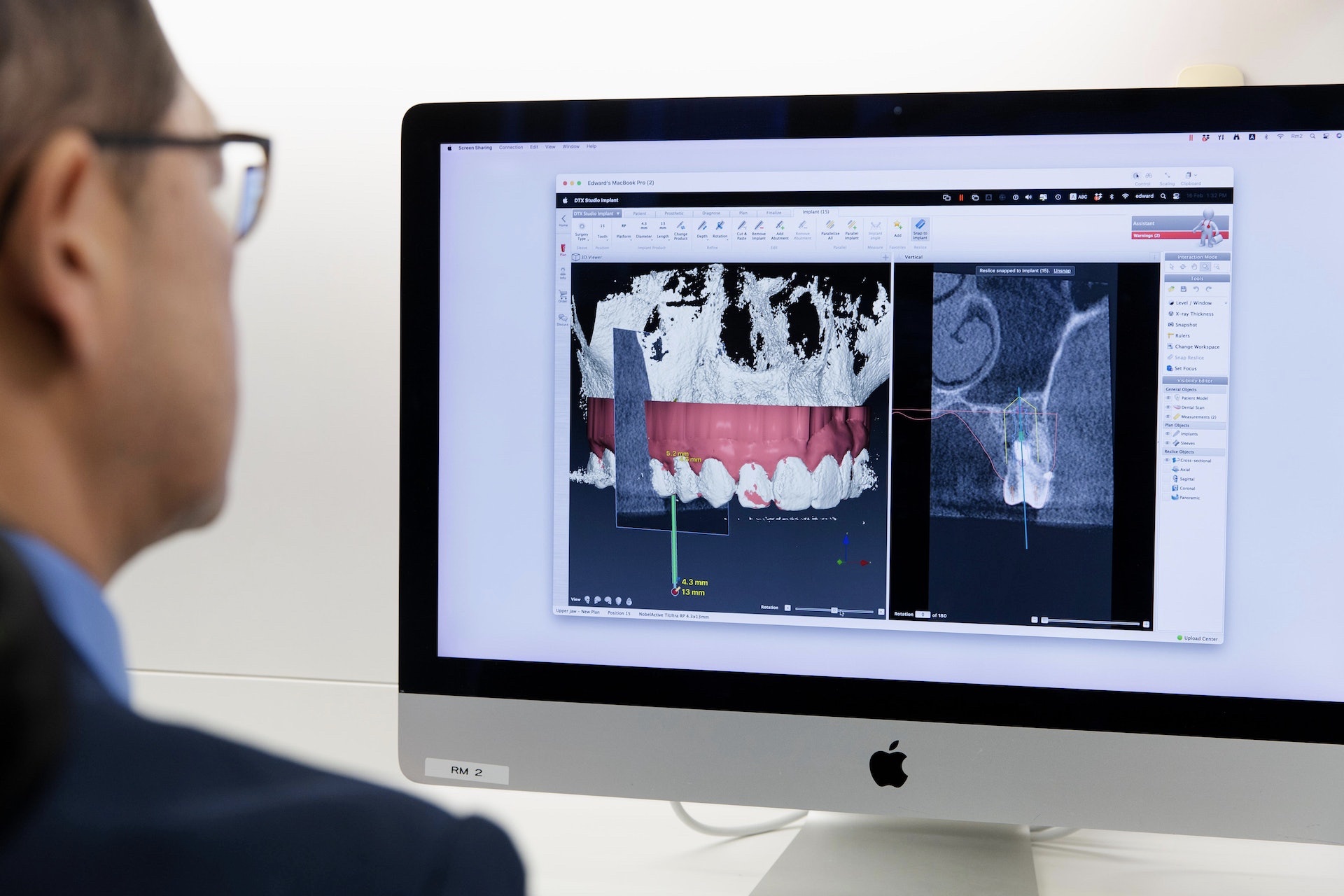
Advanced digital implant technology to improve accuracy and safety
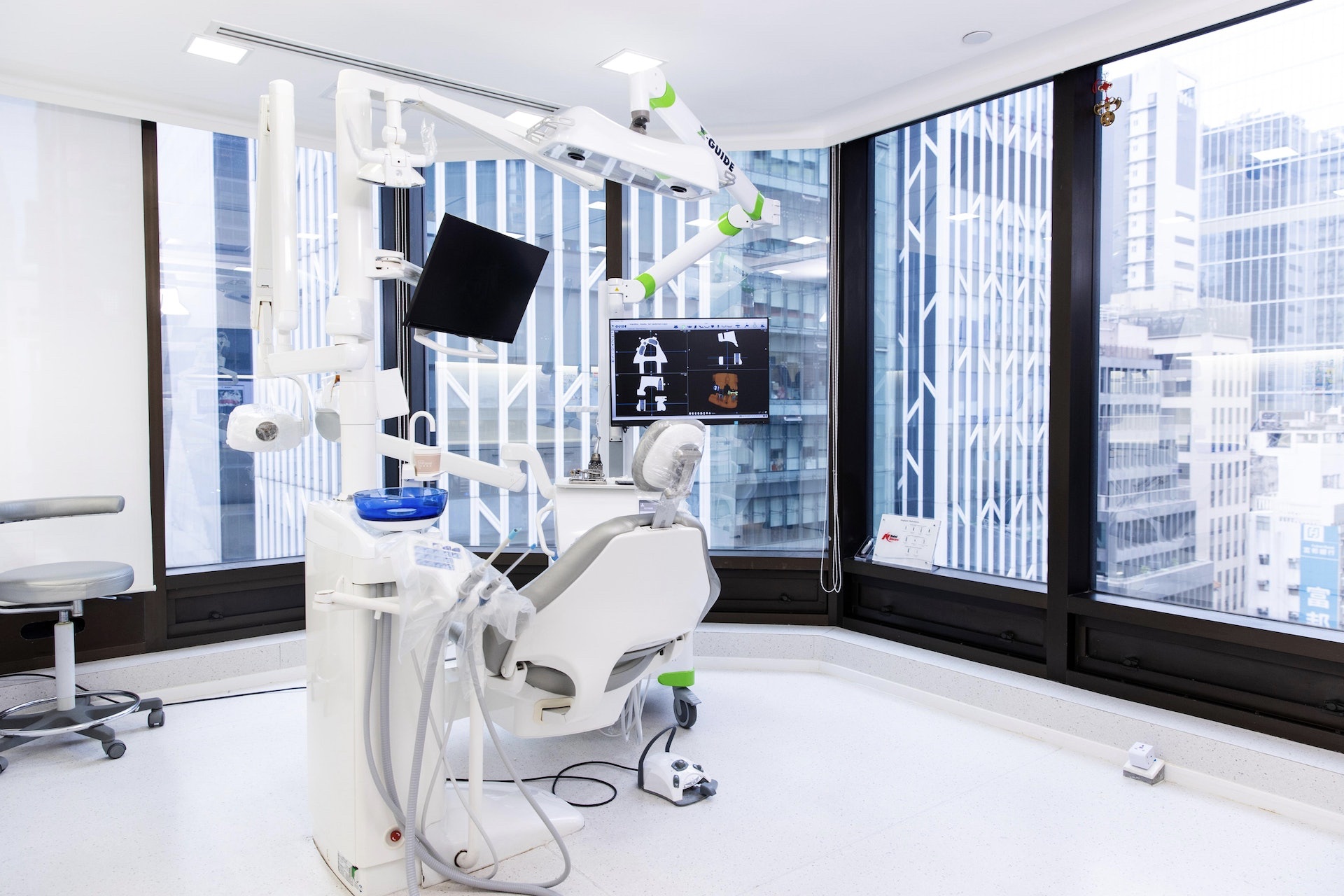
Today, advanced 3D dynamic real-time navigation systems help dentists execute your treatment plan with extreme accuracy. This system provides live imaging during surgery. It guides the surgeon to precisely control the position, direction, and depth of the implant. This technology greatly reduces surgical time while enhancing safety.
5 Benefits of Digital Implants
Benefit 1: Shorter surgical time
Because all the planning has been done before the patient comes in for the surgery, the surgical time can be greatly shortened.
Benefit 2: Minimally invasive surgery
The dentist already knows in advance where to place the implants, the surgical wound can be less or even without cutting the gum open in the more ideal cases.
Benefit 3: Precise planning of implant position
This is the most important factor as the correctly placed implants not only means better support but also better aesthetic outcome and longevity for the restoration as well
Benefit 4: Enhanced comfort and convenience
After the surgery, a 3D printed temporary bridge or crown can be placed on the patient’s teeth, allowing the patient to chew instantly. Besides, using the intra-oral scanners make it more tolerable and comfortable to patients.
Benefit 5: Efficient crown and bridge fabrication
Most of the modern implant crowns and bridges are made by CADCAM in the advanced dental laboratories, therefore the latest digital procedures can speed up the fabrication processes.
What’s the success rate of dental implants?
The average success rate of dental implants is 95%, unless the patient has a smoking habit, or is suffering from some kind of serious disease or periodontal disease. If properly maintained, the implant supported crown should last just as long as your natural teeth!
How should patient take care of the implant crowns or bridges?
Patients should pay attention to the proper way of brushing, flossing and cleaning every day, and have dental checkups and cleanings every six months.
Original reproduction: https://www.hk01.com/健康Easy/880091/植牙-數碼植牙與傳統植牙分別-解構植牙過程-保養及注意要點

